Yearly Archives

3 Articles

Business

Moving Tips for Businesses – From Signage to Computers

Posted by Valerie Ramos on
Moving Tips for Businesses – From Signage to Computers

You might have started your business at a small office. However, with your constant effort, you have grown your business. So, you need to invest in more equipment and employ more workers. But, your small office would not accommodate those extra accessories. That is why you have decided to relocate your office to a new location. However, how will you move your business assets to another city or state? Companies like Frontier Movers in Phoenix will help you in the best way.

Plan your Business Relocation Ahead

A solid plan is essential to start the moving process for your business purpose. Create a detailed checklist of what you want to move to the new destination. Make sure you have checked your new workplace before your moving day. It helps you determine the setup needed to continue with your business activities. You may also assign a few roles to every team member for higher efficiency.

Update the Signage

The signage is the most significant asset for maintaining your brand identity. You may also order and design new indoor and outdoor signages. The local authorities should be notified if you need permits for signage installation. However, you may transport your reusable signage to the new location.

Evaluate your Office Equipment

Before moving your office to a different place, you may upgrade your old IT setup. Create a spreadsheet to list the IT accessories, including servers, printers, and monitors. Determine if any equipment needs an update. You may also repurpose your old machines. Look for some e-waste recycling options to stick to environmental standards.

Protect Your Business Data

During your office relocation, you should prepare for some potential worst scenarios. What would you do if the data gets lost? Your equipment may also get damaged during the move. So, you must have backup copies of your data. Store the important data in the safest place. It will help you recover the lost data at any time. 

Interact With your Employees

A successful office relocation depends on your clear communication with the workforce. Let your workers know about the move timeline and the potential disruption in the business activities. Use multiple channels to connect with your staff. For instance, you may hold a team meeting or send emails to your employees. Your detailed information will help your team prepare for the move. 

Get Ready On the Relocation Day

It is not easy to transport your office’s tech equipment. You need special expertise to manage the transport. Contact your telecom and IT service providers to deal with the moving tasks. Ensure that your chosen movers in Phoenix will move your electronic items efficiently. They will use quality packaging materials to keep the delicate items secure. 

So, these are tips for moving your business to a different place. After reaching the new place, you have to recheck the new setup. Verify your phones and cables are in the appropriate place. Test every network connection before resuming your business. 

Business

How Fashion Brands Have Moved from Traditional to Modern Advertising

Posted by Valerie Ramos on
How Fashion Brands Have Moved from Traditional to Modern Advertising

Fashion advertising has advanced a long way recently. Big-budget TV ads, billboards, and print ads are being replaced by digital campaigns and social media influencers. This change directly correlates to the changing landscape of consumer behavior and technology at the forefront of daily life. 

This blog post covers how fashion brands adapted to modern advertising techniques within the U.S. market.

Traditional Advertising: The Foundation

Fashion branding was initiated through traditional advertising. Tendencies were given much exposure through print media, such as magazines and newspapers. Then, there were television commercials and billboards that worked toward brand visibility. All these techniques depended on visual appeal and mass exposure to capture consumer attention.

The Rise of Digital Marketing

With the innovation of the Internet, fashion brands started exploring different avenues of advertising. Websites and online stores became necessary for attracting more audiences. Email marketing empowered brands to communicate directly with consumers by personalizing content and offers. Thus, digital marketing was much more focused than traditional methods.

Social Media: A Game Changer

Social media has transformed the way fashion advertising is done. Today, in this advanced world, websites like Instagram, Facebook, and Twitter can directly provide brand access to millions of audiences. Influencers and celebrities showcase and market products. The audience believes the product is authentic and credible since an individual uses it. A brand engages its audience in real-time now and builds community and loyalty.

Content Creation and Storytelling

Content creation and telling stories are significant elements of the contemporary advertising approach. In doing this, the fashion world uses blogs, videos, or even social media posts to narrate their unique stories. This is not only a product pitch but one that details other values that customers can identify. For instance, messenger bags by preneLOVE often get featured in lifestyle blogs where bloggers share how they wear or have fun in them, hence demonstrating their versatility and stylish approach toward everyday life.

Data-Driven Marketing

Data analytics has changed how fashion brands advertise. Now, by analyzing customer behavior and preferences, it is possible to create ads that are much more focused and useful for certain needs. This data-driven approach, in return, increases the effectiveness and efficiency of marketing efforts. Personalized advertisements and recommendations raise the quality of the shopping experience and conversion rate.

Sustainability and Ethical Advertising

Sustainability and ethics have become increasingly conscious trends among modern consumers. Today, the fashion industry has returned to this trend by launching a series of advertising campaigns highlighting its commitment to these values. Transparency in supply chains, care for the environment, and labor fairness are core themes of modern fashion advertising.

The shift from old to new advertising has empowered fashion brands with meaningful and effective consumer engagement. With digital marketing, social media, and big data analytics, brand owners can create more personalized, engaging experiences. As this industry grows and changes, so should a fashion brand’s capacity to adapt and innovate to keep up with changing market demands. This shift increases brand visibility and establishes a better relationship with the audience; in other words, it sets up the future for fashion advertising.

Business

Evolution of Marketing – Traditional Signage vs Video Ads

Posted by Valerie Ramos on
Evolution of Marketing – Traditional Signage vs Video Ads

Residing in an era of technology and innovation, it’s paramount to remember our roots, to grasp how far we’ve traversed in our journey, and to discern the path we ought to take.

Tracing Back To The Start: Traditional Signage

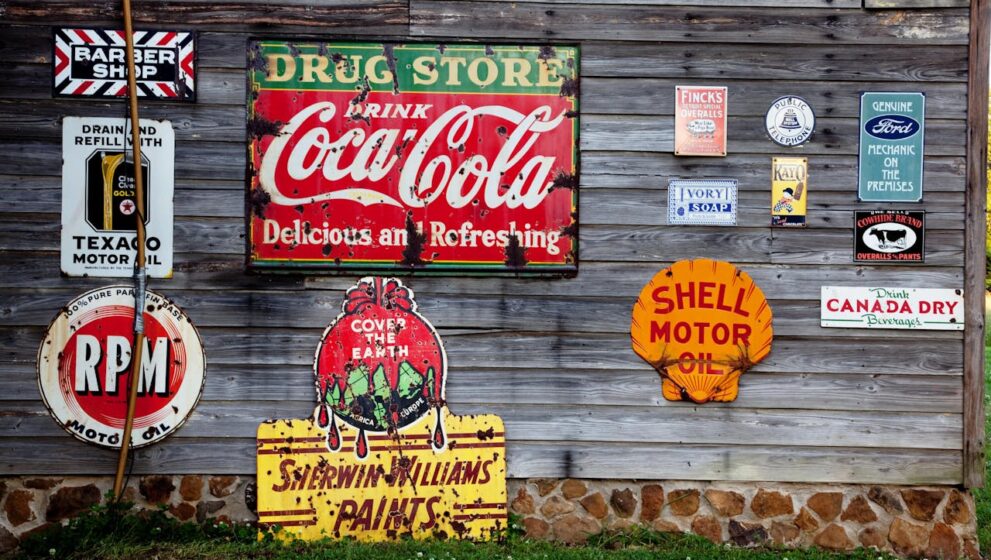
Traditional signage, a long-established pillar in the marketing realm, still manages to resonate with contemporary consumers. Recollecting the iconic “Welcome to Fabulous Las Vegas” sign or other intricate and handcrafted store signs, their enduring physical presence has shaped and continues to shape landscapes and minds alike. Such advantageous placements provide a tangible, perpetual impression while capturing the attention of the passing glances.

Indeed, traditional signage offers multifarious benefits to businesses:

Local Targeting: The prime tools for engaging local consumers and kindling community spirit.

Brand Recognition: Continual exposure to a brand’s signage fortifies the brand memory.

Cost-Effectiveness: Post installation, maintenance is minimal while the advertising never sleeps.Nonetheless, while traditional signs retain their significance, the digital evolution presents fresh and exciting prospects for marketers.

Ascendancy Of Video Advertising

Standing in stark contrast to static signs, video advertising employs movement, audio, and narration to ensnare audiences. Platforms like YouTube, Instagram, and Facebook have revolutionized brand-customer communication. With precision-targeting, video ads outmatch traditional methods in reaching the intended audience.

This is why video advertising is a true game-changer:

Engagement: Videos, inherently more gripping than static images, convey intricate messages swiftly and memorably.

Wide Reach: Thanks to the global reach of the Internet, video ads can engage with local and international audiences alike. People are willing to report YouTube ads though, so make sure you have the right audience with the help of https://excludekidchannels.com/

Analytics: Digital platforms proffer detailed analytics, enabling businesses to track the efficacy of their video ads and sharpen their strategies in real-time.

Merging Legacy With Innovation

Video ads, undoubtedly potent, don’t eclipse the value traditional signage brings, particularly for small-scale businesses. The trick lies in harmonizing both methods to architect a unified marketing strategy: 

Complementary Use: Employ traditional signage to cement local brand presence, supplementing it with online video ads to contact a larger audience.

Consistency: Maintain consistency in your brand message across both mediums to bolster trust and fortify brand identity.

Engage the Senses: Merge the captivating appeal of videos with the physical allure of signage.

There is a common mistake to avoid in video marketing and ads – treating it like a commercial. Consumers have grown savvy to traditional advertising tactics and seek more genuine, relatable content. Authenticity is key.

Also, it’s important to continuously evolve and adapt to the ever-changing digital landscape. Stay updated on new platforms, trends, and consumer behaviors to stay ahead of the game.

Drawing The Curtain

The shift from traditional signage to video advertising underlines the dynamic landscape of marketing. While signs retain their worth in local engagement and brand recognition, video ads offer unmatched reach and engagement. For small businesses and marketing professionals, the challenge and opportunity lies in marrying these methods to formulate a marketing strategy that’s both timeless and avant-garde.